
CANNY COOL
Canicule!

I’m sorry to have been absent for a few weeks. I needed some time to think in blankness—something I’ll write about later this week. Thank you for indulging my summer procrastination. It’s been hot! —DΔΔR
…so, canicule means heatwave in French. This summer, France had already experienced two or three heatwaves by the beginning of July. Everyone is talking about climate change and air conditioning—or rather, the lack of it.
It is interesting to see that air conditioning has become politically charged here as well. The far-right National Rally, led by Marine Le Pen and Jordan Bardella, has come out strongly—as befits its generally anti-environmental stance—in favor of more air conditioning for everyone. Meanwhile, Les Écologistes, and much of the Left more broadly, remain more hesitant, preferring investments in urban tree planting, shaded public spaces, and fountains. Suddenly, air conditioning in France becomes not merely a technical question but an ethical and philosophical one.
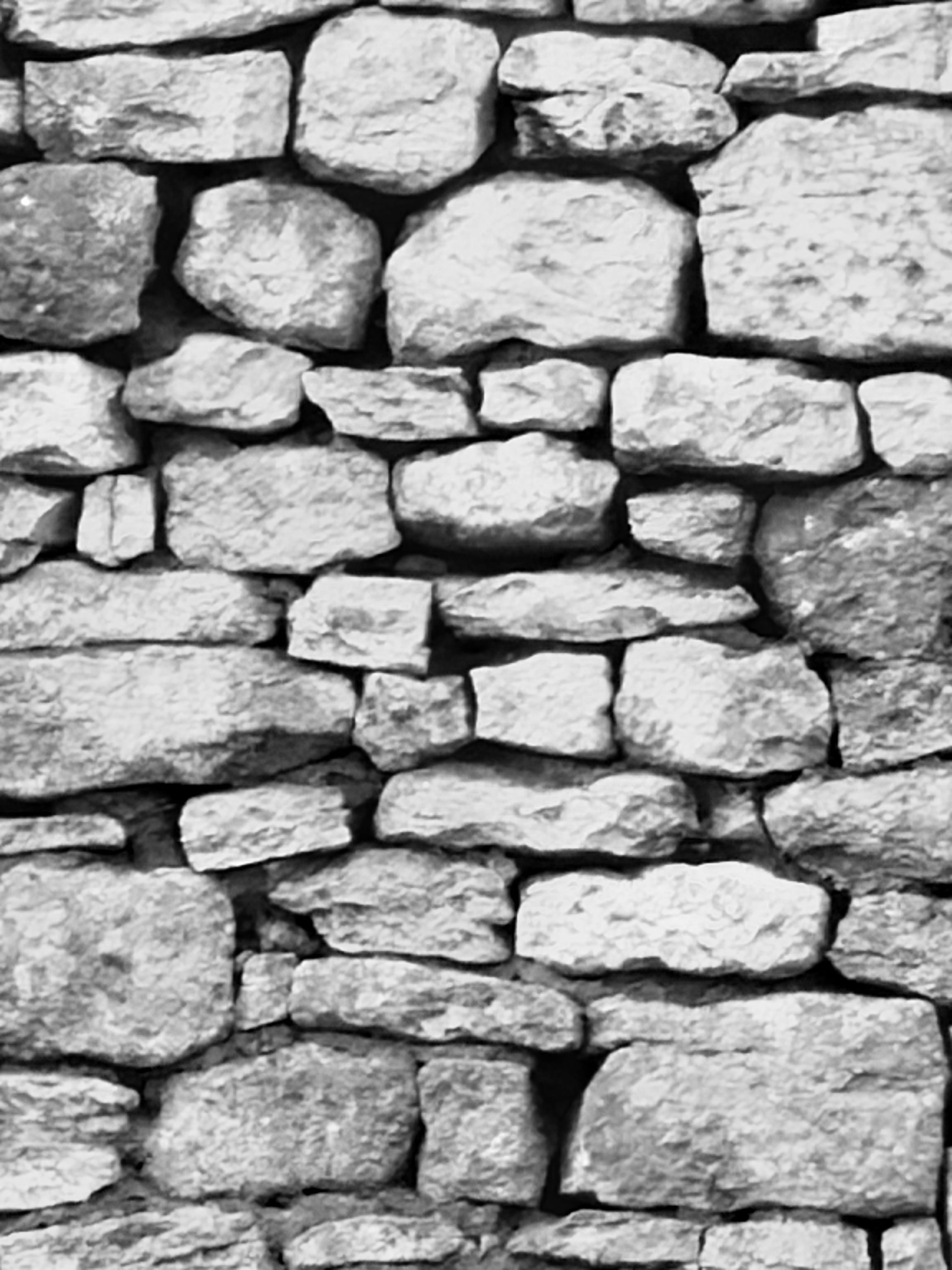
It is striking, once again though, how readily we assume that we can technologize our way out of this predicament. Better machines and better chemistry will solve the problems. Perhaps they will help. And yet our ancestors had already developed elegant ways of managing heat. Thick stone walls, smaller windows, shutters—some of the perennial peasant hacks celebrated in Hassan Fathy’s Architecture for the Poor and Bernard Rudofsky’s Architecture Without Architects. These books reveal how traditional societies often understood passive heating and cooling more profoundly than many of our modern buildings do.
I was fortunate to encounter such ideas among others early in life. Two university courses shaped my understanding on both an intellectual and a physical level. Professor Michael B. McElroy’s course on climate change, which I took in 1980, made me appreciate the inevitable consequences of human activity on the Earth’s climate. A few years later, Professor John Stilgoe’s course, The Built American Environment, opened my mind to the idea that, whether we acknowledge it or not, we are always in dialogue with nature. What we imagine to be barriers are really porous membranes, and what feels like command is, in truth, a conversation.
As I stood looking at an old barn built of stone and earth, with openings in its walls where sparrows and swifts nested, I found myself thinking about how naturally such buildings belong to the Earth. They seem to participate in it rather than defend themselves against it. They make far more sense to me than buildings whose primary ambition is to buffer, exclude, or conquer nature.
I also thought about how these ideas have been present in our collective consciousnesses for such a long time, and how little progress we have made in tackling them and using our perennial human wisdom to apply these ideas to solving our current problems. Just as I have been procrastinating with my writing these last weeks, humanity has been procrastinating for the last century or two in acknowledging the problems and putting our ingenuity to tackle them.
As the world grows hotter, I understand the temptation to create living and working spaces that treat the Earth as though it were an inhospitable planet—Mars, for example. I remember seeing an architect’s proposal for a dwelling on Mars. It was necessarily conceived as a place that could exist despite the planet’s hostile landscape and toxic atmosphere, rather than in communion with it. At the time, the idea struck me as anathema.
And yet that same choice is beginning to confront us here on Earth.
Do we build structures that ignore nature, or do we create places that live in conversation with it?
I hope we choose the latter more often. I hope we design buildings that invite dialogue with the outdoors rather than trying to shut it out.
Keep cool—and live with…